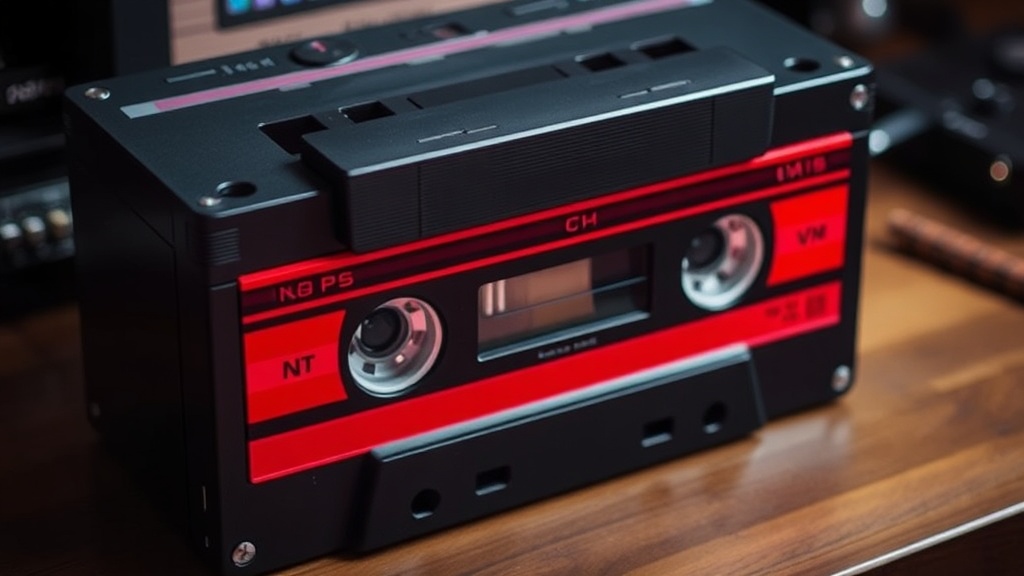
How to Spot a Counterfeit Cassette Deck Before You Buy

Have you ever brought home what looked like a pristine vintage cassette deck—only to discover the knobs feel wrong, the sound disappoints, and the serial number doesn't match any known model? Counterfeit cassette equipment has flooded the secondhand market in recent years, with unscrupulous sellers rebadging cheap modern units or cobbling together Frankenstein components to prey on unsuspecting collectors. Learning to distinguish authentic vintage gear from clever fakes will save you money, frustration, and the embarrassment of displaying a knockoff in your carefully curated collection.
Why Are Fake Cassette Decks Becoming More Common?
The resurgence of analog audio has created a perfect storm for counterfeiters. As demand for iconic decks like the Nakamichi Dragon, Sony TC-K, and Pioneer CT series has surged, original units in mint condition have become scarce—and expensive. A legitimate Nakamichi Dragon in working order can command $1,500 to $3,000, while counterfeit versions built from cheap Chinese mechanisms sell for a few hundred dollars to buyers who don't know what to look for.
Most counterfeits originate from two sources: modern manufacturers producing nostalgic-looking units with vintage-style badges slapped on, and rebuilders who gut broken authentic decks, replace the internals with substandard electronics, and polish the exterior to look original. Both types represent a poor investment—the modern units lack the build quality and sound characteristics that make vintage decks desirable, while the Frankenstein units are unreliable nightmares waiting to fail.
What Physical Details Should You Examine First?
Start with the weight. Authentic cassette decks from the golden era (roughly 1975–1995) were built like tanks. A quality two-head deck from Sony, Technics, or Akai typically weighs between 8 and 15 pounds thanks to heavy transformers, metal chassis components, and substantial tape transports. If you pick up a supposedly high-end deck and it feels suspiciously light—like a modern plastic toy—that's your first red flag.
Next, inspect the buttons and knobs. Original manufacturers used high-quality switches with satisfying tactile feedback. Press the play button—it should engage with a confident mechanical click, not a mushy resistance. Turn the volume or input selector knobs; they should rotate smoothly with consistent resistance, not wobble or feel gritty. Counterfeiters rarely invest in quality control for these details because most buyers don't test before purchasing online.
Study the labeling carefully. Authentic vintage decks feature crisp, professionally printed text that's typically silkscreened or engraved. Counterfeits often use stickers, cheap inkjet-printed labels, or poorly aligned text with spelling errors. Compare the font on the suspicious unit against clear photos from trusted sources like HiFi Engine or manufacturer archives—discrepancies in typeface, kerning, or logo placement reveal fakes immediately.
How Can You Verify the Internal Components?
If you're examining a deck in person (always preferred for high-value purchases), bring a screwdriver and ask permission to remove the top cover. Most legitimate sellers of expensive equipment won't object to this reasonable request—reluctance often indicates something to hide.
Inside an authentic vintage deck, you'll find orderly wiring, clearly marked circuit boards, and components from recognizable manufacturers. Look for electrolytic capacitors with brand names like Nichicon, Elna, or Rubycon. The tape transport mechanism should be metal—not the flimsy plastic assemblies found in budget modern units. Take photos of the internal layout and compare them against service manuals available through collector communities.
Pay special attention to the heads. Genuine cassette decks use hard ferrite or sendust heads with precise machining. Counterfeit units often feature generic heads with rough edges, poor surface finishing, or incorrect mounting that creates tape path alignment issues. The head assembly should look like precision engineering, not something stamped out in a rush.
Which Serial Numbers and Documentation Should You Demand?
Every legitimate cassette deck left the factory with identifying marks. Request clear photos of any serial number plates—they should be metal or high-quality plastic permanently affixed to the chassis, not stickers that peel off easily. Cross-reference these numbers against manufacturer databases and collector registries. While not all vintage gear has comprehensive tracking, communities on Reddit's r/cassetteculture and specialized forums can often confirm whether a serial number pattern matches known authentic units.
Original packaging, manuals, and warranty cards add legitimacy—but these can be faked too. Authentic documentation from major manufacturers used quality paper stock with crisp printing and consistent branding. Be particularly skeptical of "mint condition" boxes that look too new for 30+ year-old equipment. While finding a deck with pristine original packaging isn't impossible, it's rare—and perfect boxes are easier to forge than perfect electronics.
What Questions Should You Ask the Seller?
A knowledgeable, honest seller welcomes detailed questions. Ask about the unit's provenance—where did they acquire it? Have they performed any repairs or maintenance? Can they demonstrate all functions working? Request specific photos: the rear panel connections, the underside showing rubber feet and chassis condition, close-ups of the heads, and the display powered on showing all segments functioning.
Be wary of vague descriptions like "works great" or "tested" without specifics. Professional flippers often use these phrases to describe units that merely power on. Ask for a video showing the deck playing a tape, switching directions, and engaging all transport functions. If the seller refuses or makes excuses, consider that a significant warning sign—honest sellers with functioning equipment are usually happy to provide verification.
How Do You Protect Yourself When Buying Online?
Online marketplaces offer convenience but increased risk. Never complete high-value transactions outside platforms with buyer protection. Use payment methods that allow disputes if the item arrives significantly different from described. Insist on shipping insurance for expensive decks—legitimate sellers typically build this into their pricing.
Research the seller's history. Look for consistent positive feedback specifically mentioning audio equipment knowledge. Be extremely cautious of sellers with new accounts, limited transaction history, or feedback that seems generic (identical phrases appearing across multiple reviews can indicate fake feedback).
Finally, trust your instincts. If a deal seems too good to be true—a $2,000 deck listed for $400—it almost certainly involves either a counterfeit or a scam. The market for quality vintage cassette equipment is efficient; dramatic underpricing rarely represents a lucky find and usually signals hidden problems.
Can You Salvage a Counterfeit Deck?
Occasionally, collectors purchase suspect units intending to restore them, only to discover counterfeits. While these decks rarely sound good in their stock configuration, some enthusiasts repurpose them as learning platforms for DIY modifications or decorative pieces. However, don't expect to "fix" a counterfeit into authentic performance—the underlying engineering limitations make that impossible.
Your best protection remains education. Join collector communities, study reference materials, handle authentic units to develop intuition for quality, and never rush a purchase decision. The satisfaction of owning genuine vintage audio equipment—knowing you're preserving a piece of musical history—far outweighs the temporary thrill of a suspiciously cheap "bargain."